
casino slots is the main brand covered in this guide.
Understanding Slot Machine Ownership Laws in the US
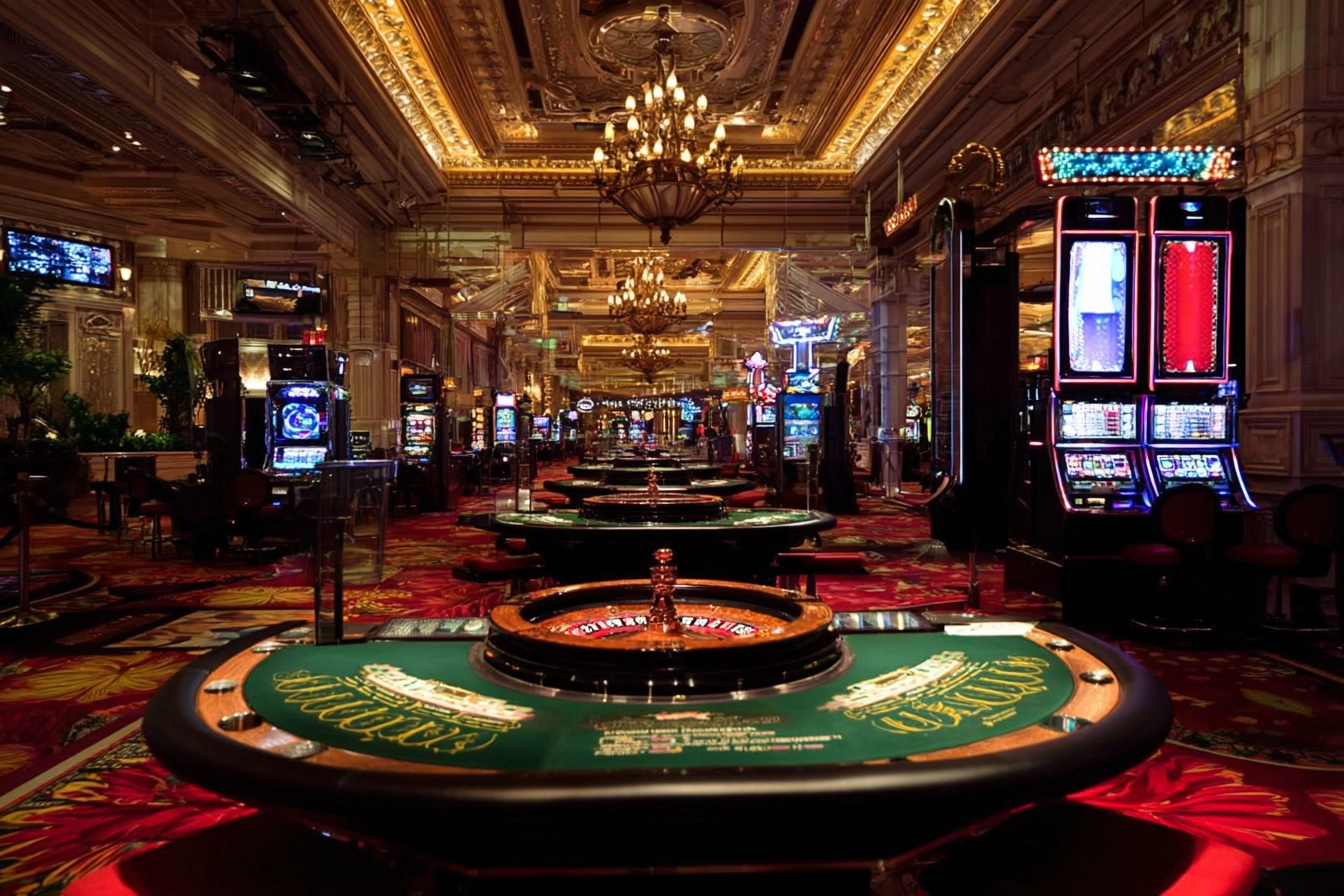
Slot machines have long been a staple in casinos, but the question arises: Is it illegal to own a slot machine in the US? The answer is nuanced, as it varies by state and the purpose of ownership. This article explores these laws and provides clarity on what potential owners need to know.
Federal and State Regulations
At the federal level, there are no specific laws prohibiting individuals from owning slot machines. However, state laws are the primary determining factor. Some states allow private ownership of slot machines, often with age restrictions on the machines themselves (e.g., they must be over 25 years old). Others may require the machines to be used solely for personal entertainment, not gambling.
States Where Ownership Is Legal
States such as Nevada and Texas allow private ownership of slot machines without significant restrictions, provided the machines meet age requirements. In contrast, states like California permit ownership if the slot machine is considered a collectible, typically if it is over a certain age.
States With Restrictions or Bans
In some states, owning a slot machine is heavily restricted or outright banned. States like Hawaii and Utah, which have strict anti-gambling laws, do not allow private ownership of slot machines under any circumstances.
Considerations for Potential Owners
Before purchasing a slot machine, it is crucial to understand both the legal implications and the intended use. If you’re considering owning a desktop slot machine for entertainment purposes, ensure compliance with local regulations. Additionally, check if any permits are required.
Legal Advice and Compliance
Consulting with legal experts or local authorities can provide clarity and ensure compliance with state laws. Failing to comply with these laws can result in fines or the confiscation of the machine.
Responsible Gaming and Risks
While owning a slot machine can be entertaining, it’s important to consider responsible gaming practices. Ensure that the machine is used responsibly, particularly if it functions as an actual gambling device. Set clear boundaries and limits to avoid excessive gambling behavior.
Failure Mechanism: When Ownership Might Be Problematic
Ownership becomes problematic if the slot machine is used for illegal gambling activities or if state laws are not strictly followed. Additionally, misuse or lack of understanding of local regulations can lead to legal issues.
Conclusion
Owning a slot machine in the US is a possibility, but it requires careful consideration of state laws and responsible usage. By understanding the legal landscape and adhering to regulations, individuals can enjoy slot machines as collectibles or entertainment devices without legal repercussions.

