
Understanding Slot Machine Ownership in the US
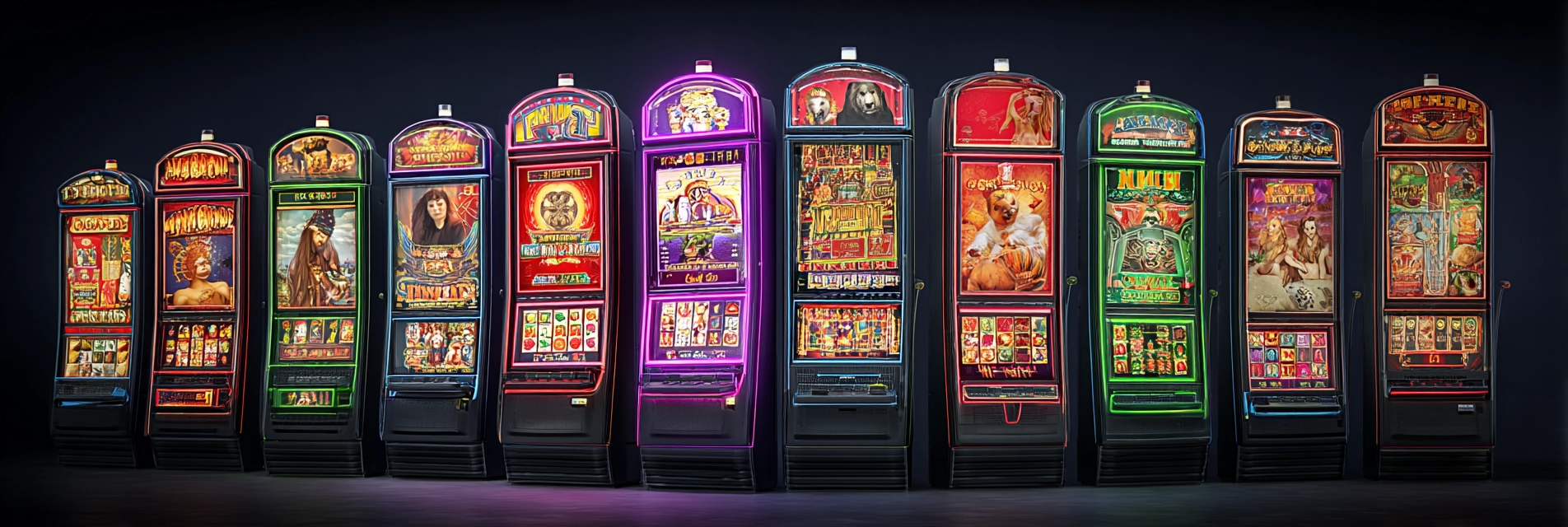
In the United States, the legality of owning a slot machine varies significantly from state to state. While some states allow individuals to own slot machines for personal use, others impose strict regulations or outright bans. This article explores the legal landscape surrounding slot machine ownership and related topics such as internet casino slots and the presence of slot machines in unconventional locations like gas stations.
Legalities of Owning a Slot Machine
The question of whether you can own a slot machine in the US largely depends on the state in which you reside. Some states allow private ownership of slot machines if they are considered antiques, typically defined as machines that are over 25 years old. States like Nevada and New Jersey, known for their gambling industries, have more lenient laws, allowing private ownership without significant restrictions.
States with Lenient Laws
In states such as Nevada, owning a slot machine is relatively straightforward. There are minimal restrictions, given the state’s robust gaming industry. Similarly, New Jersey allows ownership, but the machines are often subject to regulation to ensure they are not used for unauthorized gambling.
States with Restrictions
Conversely, states like Hawaii and Utah have stringent laws prohibiting most forms of gambling, including the private ownership of slot machines. Residents in these states need to be particularly cautious and ensure compliance with local laws.
Internet Casino Slots: A Modern Alternative
For those unable to legally own a physical slot machine, internet casino slots offer a convenient alternative. These digital platforms provide access to a wide variety of slot games, simulating the experience of a physical slot machine. It’s important to note, however, that the legality of online gambling also varies by state, and players should ensure they are using licensed and regulated platforms.
Gas Stations and Slot Machines
In certain states, slot machines can be found in unconventional locations such as gas stations. These machines are typically regulated similarly to those in casinos, ensuring fair play and adherence to state laws. The presence of slot machines in such locations often reflects the state’s broader attitude towards gambling.
Slot Die Cutting Machines: A Different Entity
It’s important to distinguish between slot machines used for gambling and slot die cutting machines, which are industrial tools used in manufacturing. The latter has no relation to gambling and is commonly used in industries for cutting materials into specific shapes.
Responsible Gaming and Compliance
Regardless of the form of gambling or gaming machine, responsible gaming practices are crucial. It’s essential to understand the risks involved and set limits to prevent gambling from becoming problematic. Resources are available for those who need assistance, including self-exclusion programs and counseling services.
Conclusion
Understanding the laws and regulations surrounding slot machine ownership is essential for anyone considering acquiring one. While some states provide more freedom, others have strict prohibitions. For those interested in the thrill of slots without the legal complexities, internet casino slots offer a viable alternative, provided they are accessed legally and responsibly.

